Get a High-Quality Ultra-Light 24V 80AH Lithium Battery for Marine Trolling Motor Applications

You’ve likely invested in a high-quality trolling motor from brands like Caroute, Bass Pro, Minn Kota, or MotorGuide to ensure optimum performance. It only makes sense to ensure that it’s combined with a reliable 24V 80AH lithium battery for marine applications. This is a lithium iron phosphate (LiFePO4) battery that offers more power than two lead-acid and AGM batteries rated at ~12V +160AH to 180AH and offers five times the lifetime of those conventional power sources. 

You can buy this battery from a reputable store that carries lithium iron phosphate batteries. But how can you tell if it’s a high-quality battery? Here are a few factors to look at:

Features 

Check that the 24V 80AH lithium battery for marine has 6,000 life cycles at 100 percent DoD (depth of discharge). It should come with increased safety performance, high-temperature performance, and a wide operating temperature range. LiFePO4 batteries are high-capacity systems with pressure-resistant cells. They provide green energy without contaminants. High-quality batteries have a steady output voltage, vibration and shock resistance, and triple safety protection.

Safety protection

Look for a battery management system (BMS) in the 24V 80AH lithium battery for marine applications. It’s an electronic board that manages and controls the battery and it should come as a standard for LiFePO4 batteries. BMS protects the product from problems like reverse polarity, over-discharging, overcharging, and short circuits. It also protects against penetration, fires, explosions, and thermal shock, and extends the life expectancy of the battery.

Built-in LED charge indicator

This is a crucial feature that will eliminate your guesswork on how much charge is left in the 24V 80AH lithium battery for marine applications. However, it must be located on top of the battery, so it will be easy to see and read.

Charger

Be sure to get an appropriate charger for the 24V 80AH lithium battery for marine applications. Avoid using a lead-acid battery charger for it because it won’t work and it will risk damaging the battery.
Everything You Must Know About 36V60AH LiFePO4 Battery Used for Marine Trolling Motor Applications

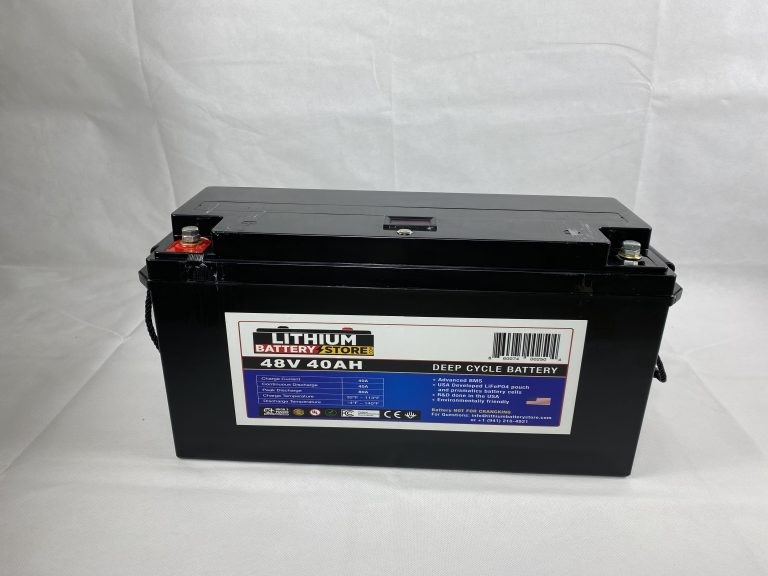
Are you looking for a reliable lithium iron phosphate (LiFePO4) battery for trolling applications? The 48v LiFePO4 battery is a good choice. It’s specifically designed to provide reliable power to trolling motors. A 48v 60AH battery provides more power than four lead-acid and AGM batteries rated at ~12V +120AH and offers five times the lifetime of those traditional power sources.

But how does it compare with other options, like the 36V 60AH LiFePO4 battery? Here’s everything you should know about that:

About 36V 60AH LiFePO4 batteries 

Like the 48v LiFePO4 battery, the 36V 60AH variant is practical for marine trolling motors. It should suit 36V motors and will provide more power than three lead-acid or AGM batteries rated at ~12V +120AH. It offers 10 times the lifetime of lead-acid and AGM batteries.

You can put together three 36V 60AH LiFePO4 batteries to create a 36V 180AH system, which is more powerful than most 36V 360AH systems in AGM or lead-acid batteries.

Both the 36V60AH and 48v LiFePO4 battery options have similar features, such as 6,000 life cycles at 100 percent depth of discharge (DoD) and a wide operating temperature range. They offer increased safety performance and deliver green energy without contaminants. High-quality batteries come with pressure-resistant cells and ensure steady output voltage, with less than three to five percent yearly discharge when stored. They come with superior shock and vibration resistance and triple safety protection, too.

Safety for your trolling motor

When it comes to marine applications, it’s important to use a battery that can keep up with the harsh environment in the water. So, it’s important for the 36V60AH and 48v LiFePO4 battery to have a battery management system, which will protect it from over-discharging, overcharging, thermal shock, and short circuits. It’s easy to tell how much charge is left by looking at the built-in LED charge indicator on top of the battery.


Top 5 Advantages of Lithium-Ion Solar Battery

Are you planning to live off-grid? Or perhaps you’re looking to reduce your energy bills? Or maybe you are looking for an alternative power source while you’re traveling in your RV? No matter your situation, solar power can be the answer you are looking for. As you invest in high-quality solar panels, you should also consider getting the right battery for them. A lithium-ion solar battery is a good choice because it provides the following advantages:

  1. Eco-friendly

Lithium batteries are the ultimate partner for a solar panel system because they generate clean energy. You don’t have to worry about toxic fumes, gasses, and pollution while they supply you with reliable and safe power.

  1. Maintenance-free

Watering and corrosion are the least of your worries with a lithium-ion solar battery. The low self-discharge won’t cause the batteries to lose capacity when not in use. This way, you are assured of energy whenever it is needed.

  1. Highly efficient

Sometimes, batteries are unable to reach a full charge but they still operate in a partial state of charge (PSOC), which is known to make lead-acid batteries deteriorate. Rest assured, the phenomenon doesn’t affect the battery life and performance of lithium-ion batteries, particularly LiFePO4 (lithium iron phosphate). The low resistance of lithium batteries enables fast charging, too, and with higher efficiency, losses are minimized while charging. That’s a significant advantage to conventional lead-acid batteries, which are at 75 to 80 percent efficient, so loss occurs while recharging.

  1. Longer lifespan

A high-quality lithium-ion solar battery can provide up to 10 times longer life compared to lead-acid. Even after 2,000 cycles, it should still have 80 percent of its rated capacity. So, you don’t have to worry about frequent replacements. 

  1. Great for extreme environments

No matter where you set up your solar panels, you can expect the lithium-ion solar battery to keep up. High-quality LiFePO4 batteries come with shock and vibration resistance and a battery management system to prevent short-circuiting, overcharging, and thermal shock.

Mobility Scooter Batteries – Top 5 Things You Should Know

Your mobility scooter makes it so much easier for you to get around on your own, so it makes sense to ensure that it has the best battery to keep it going. Are you looking to buy new mobility scooter batteries? There are a number of options out there, and some are better than others. It’s important to understand what features to look for and how to take maintenance requirements into account when making a choice. Here are the top five things you should know:

  1. Not all batteries are made equal

Lead-acid is the oldest type of battery for mobility scooters. It may be inexpensive but its poor energy density makes it impractical for mobility scooters. It may weigh down the scooter, too. Discerning users consider other options such as lithium iron phosphate (LiFePO4) for mobility scooter batteries for longevity, safety, better capacity, and reliability.

  1. Reliability

Make sure you are choosing powerful batteries with a long lifespan without compromise on safety and reliability. LiFePO4 batteries fit the bill because they’re the type of lithium that is non-explosive, and thus, safe to use. They charge fast and securely, too. The built-in battery management system (BMS) protects them from reverse polarity, short circuits, and overcharging while increasing life expectancy.

  1. Switching to lithium batteries

A LiFePO4 battery is significantly lighter and smaller than lead-acid batteries. If you’re currently using two lead-acids, you’ll only need one lithium battery of the right size as a replacement.

  1. Ease of use

Mobility scooter batteries must come with a LED battery charge indicator to help you see how much power is left. It should be conveniently placed on top of the battery so it is easy to read.

  1. Environmentally friendly

When choosing mobility scooter batteries, ensure that they generate green energy without any contaminant. That way, you won’t have to worry about any toxic fumes or substances that could pollute the environment.

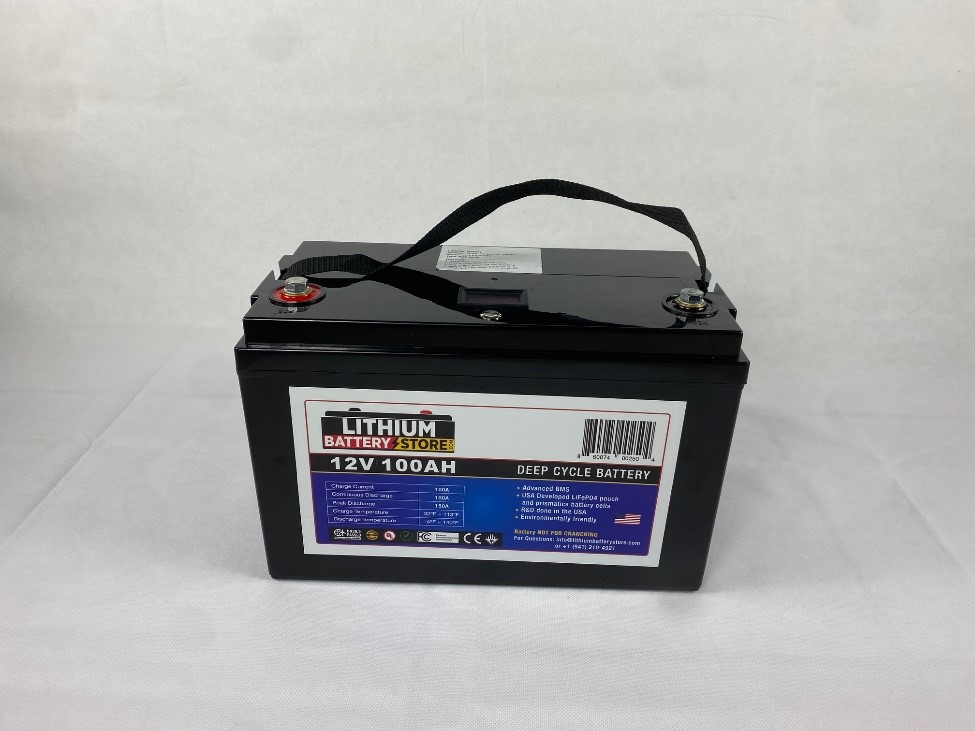
How to Choose the Best Lifepo4 Battery 12v 100ah?

Lithium batteries greatly improved the reliability of frequently used electronics such as laptops and cordless tools. Their performance is considered superior to older battery types like nickel-cadmium, AGM, and lead-acid. Eventually, more types of lithium batteries were manufactured, and among them is lithium iron phosphate, which offers far more benefits than other lithium chemistries. If you are getting a LiFePO4 battery 12v 100ah, you can expect better discharge and charge efficiency, enhanced safety performance, longer cycle life, stable temperature performance, no memory effect, and higher capacity!

A 12v 100AH LiFePO4 battery might be just what you need for golf cart, robotics, and marine applications. It offers more power than AGM and lead-acid and is rated at 12V 180AH and up to 12V 200AH and other similar batteries. Some units can also be connected in a series up to 48V. That makes the LiFePO4 battery 12v 100ah convenient to use. But how do you choose the best product? This guide can help you find out:

Find the right supplier

Choose to buy from a store that carries a wide range of lithium iron phosphate batteries for sale. Ensure their track record of selling high-quality LiFePO4 batteries and the support they offer to their customers.

Get a quote

Find out how much the LiFePO4 battery 12v 100ah will cost for your application. The supplier can also help you pick the right sized battery for any special use.

Check the features

There should be a built-in battery management system; an electronic board that manages and controls the battery. The BMS protects the lithium iron phosphate battery from issues like overcharging, reverse polarity, and short-circuiting. It also ensures that the battery is safe to use and charge while prolonging its life expectancy.

Consider a LiFePO4 battery 12v 100Ah with a built-in LED battery charge indicator so you don’t have to guess how much charge is left. It must be conveniently located on the top, so it is easy to read!

48 Volt Lithium Golf Cart Batteries – A Complete Guide

The type of battery you use for your golf cart directly affects its performance and your comfort. Of the many options available, 48-volt lithium golf cart batteries are widely described as the better choice. Consider using them if you’re looking for reliable power, longer lifespan, and safety.

But why exactly is LiFePO4 (lithium iron phosphate) a superior type of lithium battery for golf carts? This quick guide will tell you more about this type of power source to help you understand what make them great for your golf cart:

Why LiFePO4?

Lithium iron phosphate batteries are smaller, lighter, non-explosive, and safer. Their longer lifespans make them suitable for golf carts that have to be on stand-by for use anytime. They provide stronger acceleration and more mileage on a single charge. The best part is that it only takes 2 hours to charge them, so your golf cart won’t be out-of-commission for too long.

Carrying capacity 

Using 48-volt lithium golf cart batteries could significantly boost your vehicle’s weight-to-performance ratio. That’s because they weigh less than conventional lead-acid batteries. On average, a lithium golf cart battery is half the weight of lead acid, so that means it can take two-thirds of battery weight off the golf cart. A lighter vehicle can go faster with minimal effort and accommodate more weight without the sluggish feel.

Replacing lead-acid batteries

Switching from lead-acid to LiFePO4 batteries isn’t too complicated. Just remove the old batteries and drop in the new 48-volt lithium golf cart battery in their place. Reconnect the wires and secure the battery and the golf cart will be ready to use in no time. You might find the new LiFePO4 batteries smaller than the old batteries, so there may be some extra room.

Where to buy it?

You can purchase 48-volt lithium golf cart batteries from a reputable store that specializes in carrying high-quality LiFePO4 batteries. Make sure their batteries come with a battery management system and a LED charge indicator!

Which is the Best 48-Volt Lithium Golf Cart Batteries Supplier?

Need something to power your electric golf cart? Maybe it’s time to get rid of your old lead-acid pack and switch to something new, such as 48-volt lithium golf cart batteries. But what are they, and where’s the best place to buy them?

Lead-acid vs. 48-volt lithium golf cart batteries

In the past, there was only one option for golf carts: the traditional deep-cycle flooded lead-acid batteries. These power sources are known for their cost-effectiveness but not much for their efficiency.

Lithium batteries; specially LiFePO4, are the new kids on the block. They are incredibly lightweight yet high-performing, allowing your golf cart to run faster with less effort!

In addition, lithium golf cart batteries charge faster, last longer, and require little to no maintenance over time. Plus, they’re the most eco-friendly option on the market!

Finding the best 48-volt lithium golf cart batteries

When looking for lithium golf cart batteries, you have two options: a specialty golf store or a specialty battery store. For a wider selection, you’ll want to choose the latter.

Then, make sure to consider the following tips:

  • Determine your golf cart’s model.

The type of golf cart you own will decide your batteries’ voltage, capacity, and BCI group or size. This information is easy to obtain if you have your user’s manual. If you don’t, you can alwayssearch online.

  • Choose a manufacturer.

Some stores manufacture their own batteries, which won’t be a problem as long as they have the right experience. Don’t forget to check the model’s materials to ensure that you’re getting the best value for your money!

  • Determine your capacity needs.

Battery capacity (AH) refers to the amount of charge stored, or simply put, how long it will last under certain conditions. 48V lithium batteries can range from 40AH-120AH, so make sure to consult with your supplier for the most suitable model.

  • Make sure the supplier offers a warranty.

Finally, your new batteries must come with a warranty in case of defects. As a rule of thumb, it’s best to go for full replacement warranties of four years or more.

Popular Lithium Marine Batteries — Things You Should Know!

If you’ve owned a boat for a few years, you’re surely no stranger to the various types of batteries they use. There are three classic options: wet cell, gel cell, and AGM, all of which fall under the lead-acid category. But lead-acid batteries are slowly becoming more unreliable when compared to their newer counterparts. Lithium marine batteries are now the best choice, and they come in various types:

  • Lithium titanate
  • Lithium cobalt oxide
  • Lithium manganese oxide
  • Lithium iron phosphate
  • Lithium nickel manganese cobalt oxide

Among these options, Lithium Iron Phosphate (LiFePO4) batteries are considered the most versatile for marine use.

How lithium marine batteries stand up to other types?

Lithium batteries, when placed against lead-acid batteries, generally offer more advantages. For one thing, they can withstand almost any type of weather. This makes them perfect for even the sunniest days out at sea.

In addition, LiFePO4 batteries have an incredibly long life, lasting up to ten years longer than their lead-acid alternatives. Plus, they’re significantly more lightweight, allowing your cruiser to go faster at top performance!

How to find the ideal marine batteries for your boat?

One thing to remember is that not all LiFePO4 batteries work the same way. You’ll need to consider the type of boat you own, as well as the following features:

Battery capacity (Ah)

Input voltage (V)

Luckily, figuring these parameters out is simple. For input voltage, you’ll need to know the voltage of your trolling motor or voltage of your electric propulsion motor.

For the capacity, refer to the battery’s Ampere-hour rating, ranging from 40-140Ah. The higher the number, the longer it will last on a single charge!


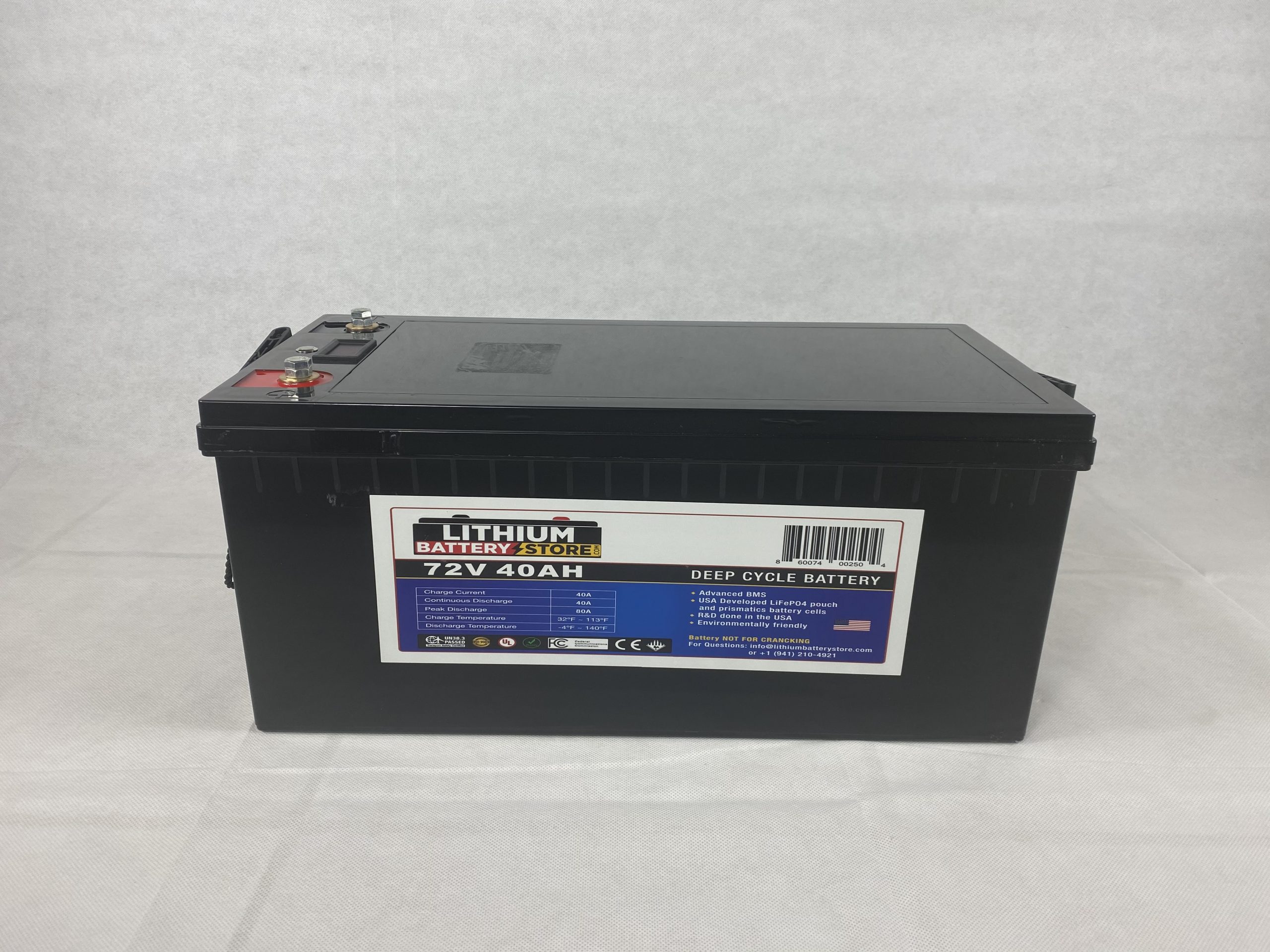
72V 40Ah Lithium Battery — Everything You Need to Know!

Forget about the outdated lead-acid battery. It’s time to switch over to the 72V 40Ah lithium battery, one of the greatest innovations of the 21st century.

Common applications of 72V 40Ah lithium batteries

Lithium batteries, or more specifically,Lithium Iron Phosphate (LiFePO4) batteries,are a relatively new technology specially designed for high-power applications. For instance, the 72V 40Ah LiFePO4 battery is used for the following:

  • Boats and kayaks
  • Solar panels
  • Small vehicles
  • Communications equipment
  • Energy storage solutions
  • General-purpose equipment

The advantages of using 72V 40Ah lithium batteries

Before getting deeper into 72V 40Ah LiFePO4 batteries, it’s important to understand what all these numbers mean.

The voltage (V) refers to the amount of energy given to an electric circuit. This means that if your device requires 12V, then you must supply a 12V battery, and so on.

Meanwhile, a battery’s capacity is measured in Amp-hours, or Ah. This refers to the number of amperes your battery can deliver in a single hour. A 72V 40Ah LiFePO4 can supply a maximum of 40Ah to a 72-volt device for one hour.

But what does this all mean? When it comes to lithium batteries, a 72V 40Ah rating means that it’s incredibly powerful. Using a single 72V system is also much more efficient than connecting six 12V batteries in a series, saving space and contributing significantly less weight to your devices.

On top of that, 72V 40Ah lithium batteries are popular for the following advantages:

  • A long lifespan of up to 6000 life cycles
  • Increased safety with a wide operating temperature range, vibration and shock resistance, and short-circuit protection

What’s more, they contain no toxic substances and rare earth metals, ensuring that they are safe for the environment.

Make sure to store your lithium batteries in a dry place away from metal to prevent short-circuits and explosions!

12-volt 100Ah S Lithium Battery — A New Advancement!

Whether you run a golf course and need to maintain your fleet or simply use a golf cart to get around your neighborhood, it’s time to consider switching to a high-quality 12V 100Ah lithium golf cart battery. It offers many benefits that older batteries don’t!

How 12V 100Ah lithium golf cart batteries take power to the next level?

Years ago, you only had one option when it came to powering your golf cart: lead-acid batteries. Although you can find them in different types, such as AGM batteries or wet cell systems, they all have one thing in common: inefficiency.

Then came the lithium battery, a brand-new technology that is now widely used for smartphones, laptops, and various electric vehicles. Like the lead-acid battery, lithium batteries have different types according to their cathode materials:

  • Lithium titanate
  • Lithium cobalt oxide
  • Lithium iron phosphate
  • Lithium manganese oxide

For golf carts, the Lithium Iron Phosphate (LiFePO4) battery is the most commonly used. LiFePO4 batteries are known for their lightweight yet durable build quality, high efficiency, and top-tier safety features. Plus, they operate in a wide temperature range, which is ideal for extra sunny days on the golf course!

Taking care of your lithium golf cart batteries

What’s impressive about 12V 100Ah LiFePO4 batteries is that they require little to no maintenance, making them perfect for long-term use. In fact, they show no memory effects and have a low self-discharge of around 3% per month. Since, they are for golf carts. Most Golf carts are 36V and 48V so you will need to connect batteries in series. 36V – 3 x 12V100AH S and 48V – 4 x 12v100AH S

Still, there are ways to increase the lifespan of your lithium batteries, especially if you plan on storing them for an extended period. Make sure to:

  • Store the battery in a dry place away from metal.
  • Keep the battery charged at 30-50% of capacity before long-term storage.
  • Do not expose the battery to fire and high temperatures.
  • Avoid cutting or puncturing the battery.

Back to Top
Product has been added to your cart
Compare (0)